
Tap Tap Go for wedding guests: digital RSVPs, gift registries, and seating plans
Your cousin RSVPed through a text message, your registry link bounced back from three email clients, and the seating chart is a Google Sheet that only your maid of honor can access. This is not a rare edge case — this is the default state of wedding coordination in 2025.
A digital wedding guest card solves all three problems from one shareable link. Guests tap or scan to confirm attendance, browse a live registry, and pull up their assigned seat — no app download, no inbox archaeology, no frantic group chat the morning of the ceremony.
The real issue is not logistics. Weddings are high-stakes identity moments, and every fragmented tool a couple stitches together quietly signals disorganization to the people they care most about impressing. A misrouted registry link does not just cost a gift — it costs the impression of a couple who had everything under control.
Most couples spend months on flowers and minutes on guest infrastructure. That imbalance shows up on the day.
Why Your Wedding Guest Experience Starts Falling Apart Before the Ceremony Begins
The ceremony hasn't started and you've already lost three guests — one never got the updated registry link, one RSVPed to the wrong email thread, and one is texting you about their table assignment from the parking lot.
Most wedding coordination failures happen before anyone walks down the aisle. Lost paper invites, dead registry URLs, and no-reply RSVPs are not separate problems. They are the same problem: fragmented infrastructure wearing three different masks.
Couples treat RSVPs, registries, and seating like three distinct tasks to hand off to three different tools. That is the mistake.
Guests who feel disorganized before they arrive walk in already disengaged. No amount of centerpieces fixes the impression left by a confusing invite process. A single digital card that anchors all three touchpoints does not just simplify coordination — it closes the gap between your vision and what your guests actually experience.
Digital RSVPs and Gift Registries Deserve Better Than a Google Form
A Google Form does not set a tone. It signals that your guest experience is an afterthought — and guests notice, even if they never say it.
Your wedding has a visual identity: a color palette, a typeface, a feeling. Your RSVP tool should carry that. Generic registry sites and copy-pasted email links strip that identity the moment a guest clicks through, replacing it with someone else's branding.
Registry links buried in email threads get lost. That is not a guest problem — it is an attribution problem you created.
Couples who invest in branded guest infrastructure see higher RSVP response rates and cleaner data going into the seating phase. Brand equity is not exclusive to businesses. It belongs to anyone who wants their event remembered the right way.
How Tap Tap Go for Wedding Guests Unifies RSVPs, Registries, and Seating Into One Card
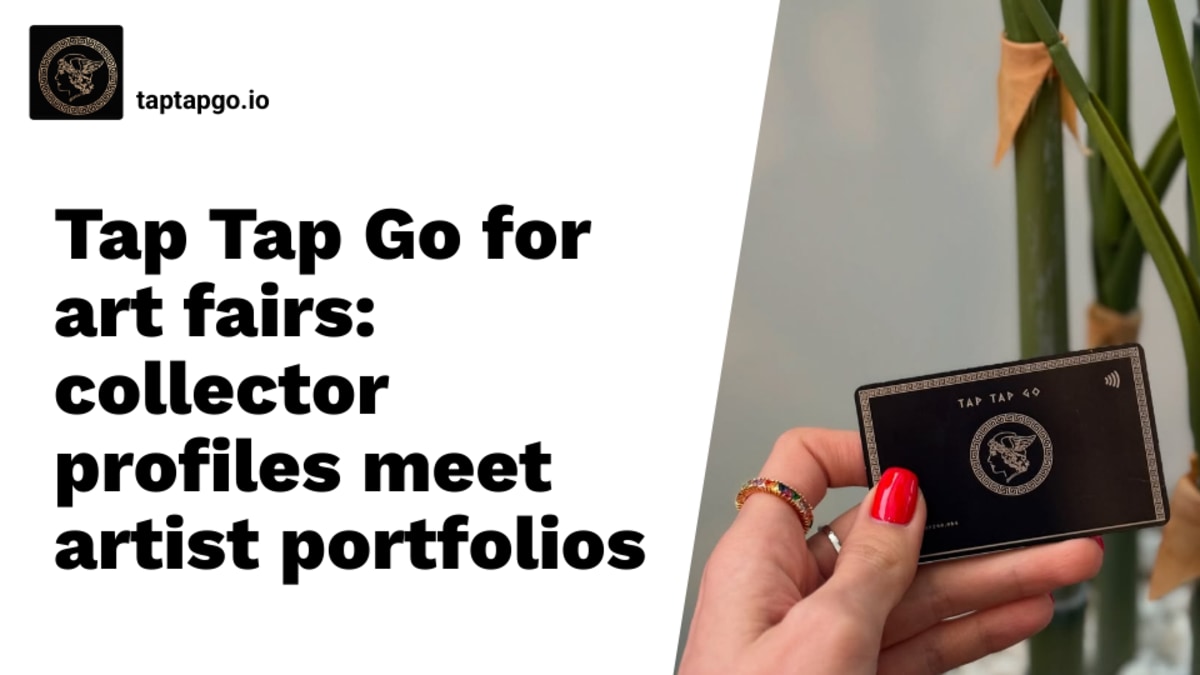
TAPTAPGO's virtual card platform gives couples one branded digital card — tapped or scanned — that replaces every fragmented link, form, and follow-up email. No app download. No login wall. Just a single touchpoint that works.
The card surfaces RSVP confirmation, live registry links, and assigned seating in one place. When the seating chart changes — and it always changes — couples update it once, and every guest card reflects the new version instantly.
This is exactly what TAPTAPGO was built for: high-stakes, identity-led coordination where the details are personal and the margin for confusion is zero.
One card. Every touchpoint. No excuses.
The Guest Experience Is the Memory — Make the Infrastructure Match the Moment
Guests do not remember your centerpieces. They remember how the day felt — and organized, personal events feel that way because every touchpoint told the same story. Save-the-date, RSVP confirmation, seating card: when these share a visual identity, the impression compounds quietly and powerfully.
We have to be honest about what we saw early on. Clients who ran RSVPs, registries, and seating through disconnected tools reported guest confusion that no follow-up email ever fully undid. The damage was invisible until it was not.
The card is not a logistics tool. It is the first digital expression of who you are as hosts — and guests feel the difference before they find their seat.
Your Guests Will Remember How This Felt — Build Accordingly
A wedding is not a series of logistics problems solved in sequence. It is a single, continuous experience your guests carry from the first RSVP prompt to the moment they find their seat — and the infrastructure running underneath that experience either holds everything together or quietly lets it fray.
Fragmented tools create fragmented impressions. A Google Form here, a registry email there, a printed seating chart taped to a easel — none of it says we thought about you the way a single, branded digital card does.
You have one chance to set the tone before anyone walks through the door. Make it count by building a TAPTAPGO digital guest card that surfaces your RSVP, registry, and seating plan in one tap — no app, no confusion, no chasing down replies.
Start building your card at TAPTAPGO before your save-the-dates go out. Your guests will arrive knowing exactly where they are going — and feeling like someone genuinely prepared for them.
The card is the first impression. Make sure it looks like you meant it.