

Conferences and meetups have always been about connection. Business cards are exchanged, LinkedIn profiles are hastily pulled up between sessions, and promises to "stay in touch" are made over lukewarm coffee. Yet once attendees scatter back to their cities and time zones, most of those connections fade into digital clutter.
The challenge isn't a lack of intent—it's infrastructure. Events are built around moments, not continuity. Relationships formed during three-day conferences rarely translate into long-term collaboration because there's no shared space to continue the conversation once everyone leaves.
Tap Tap Go, founded by entrepreneur Dhawal Laheri, is engineering a different approach: turning ephemeral networking moments into persistent communities by embedding identity, interaction, and economic exchange into a single unified layer.
The Problem with Event-Based Networking
Traditional networking at conferences follows a predictable pattern:
Attendees meet, exchange contact details through business cards or apps, connect on LinkedIn or email, then drift apart as daily routines resume. The context of the meeting dissolves. The energy dissipates. What could have been a valuable professional relationship becomes another dormant contact.
Event organizers face similar challenges. They create powerful experiences during the conference itself, but struggle to maintain engagement afterward. Attendee lists become static databases rather than active communities.
The root issue is fragmentation. Identity is stored in one place, communication happens through another platform, transactions occur elsewhere, and community engagement requires yet another tool. Nothing connects.
One Card, One Infrastructure, Everything Connected
Tap Tap Go approaches this differently by treating digital identity as portable infrastructure rather than a platform-dependent profile.
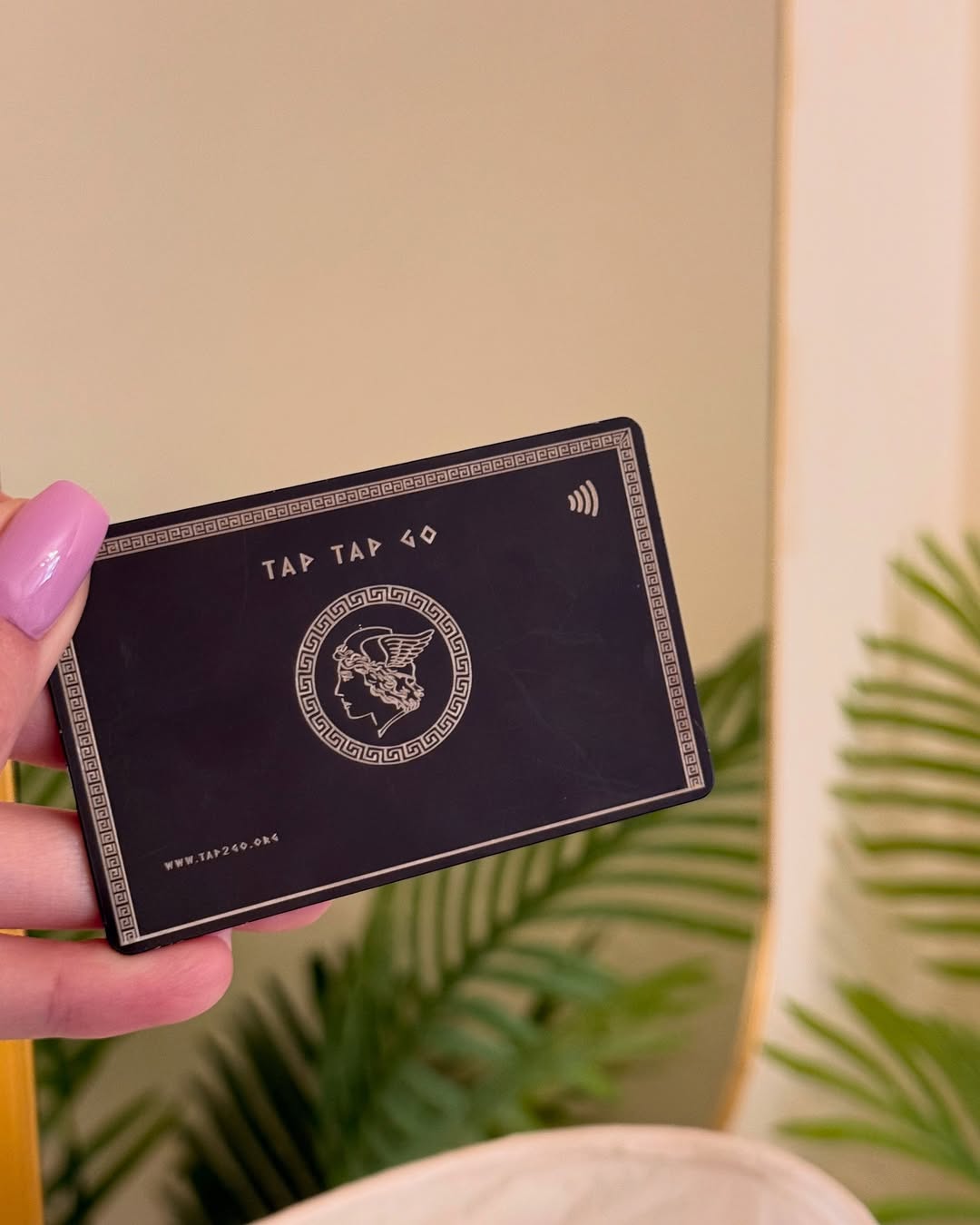
At its core sits a physical NFC card paired with a comprehensive digital ecosystem. With a single tap, users can share their professional identity, portfolio, payment details, social links, and booking calendars—all while maintaining full control over what information is visible in different contexts.
For conference attendees, this means networking becomes frictionless. No fumbling with business cards. No manually typing contact information. Just tap and connect—instantly, accurately, and completely.
But the real innovation extends beyond initial connection.
Building Communities That Persist
Tap Tap Go's infrastructure enables event organizers to create what amounts to persistent digital communities anchored around their conferences.
Through the platform's integrated events engine, organizers can:
Control access and visibility through invite-only or open registration systems tied to verified Tap Tap Go profiles, ensuring quality connections from the start.
Issue digital entry passes that serve as both credentials and networking tools, eliminating traditional badge systems while enabling seamless check-ins.
Create event-specific networking spaces where attendees can discover who else is participating, schedule meetings, and continue conversations long after the conference ends.
Track engagement metrics showing which sessions generated the most connections and which attendees became community anchors.
The result is that conferences stop being isolated events and start functioning as nodes in ongoing professional networks.
Economic Exchange as Community Glue
One defining feature of Tap Tap Go's architecture is how it treats economic interaction as inherent to community building.
The platform integrates licensed global banking infrastructure directly into user profiles. This includes multi-currency support, international settlement rails, crypto-to-fiat conversion, and virtual debit cards—all tied to the same identity layer used for networking.
For conference communities, this integration unlocks practical utility:
Speakers can offer premium content or consulting sessions with instant payment links embedded in their profiles. Workshop leaders can sell additional resources or follow-up coaching directly through the platform. Attendees can split costs for group activities or co-working spaces without friction.
Perhaps most significantly, event organizers can structure loyalty programs that reward active community participation—turning engagement into tangible value that circulates within the ecosystem rather than extracting it.
The Marketplace Layer
Tap Tap Go's built-in marketplace functionality adds another dimension to conference communities.
Attendees and organizers can create paid listings for services, products, events, or digital offerings—all linked to their verified profiles. This transforms conference networks from passive contact lists into active commercial ecosystems.
A design consultant who meets potential clients at a UX conference can showcase their portfolio and service packages through their Tap Tap Go profile. An indie developer can list beta access to their new tool. A wellness coach can offer discounted sessions to fellow attendees.
Revenue models include paid postings, featured placements, and subscription tiers—but the core value lies in trusted commerce between verified professionals who share common context.
AI-Powered Connection Intelligence
Navigating large conferences can be overwhelming. Tap Tap Go addresses this through AI-powered networking assistance that suggests relevant connections based on shared interests, complementary expertise, and engagement patterns.
The system can prompt users to follow up with specific contacts, recommend events worth attending, and identify opportunities for collaboration—effectively functioning as a personal networking strategist operating in the background.
For conference organizers, this intelligence helps surface natural community leaders and identify which segments of attendees would benefit from targeted programming or introductions.
From Meetup to Movement
The most compelling use case emerges when conference organizers build their entire community infrastructure on Tap Tap Go from the ground up.
Registration becomes profile creation. Badges become NFC cards. Networking sessions utilize the platform's discovery tools. Post-event engagement happens through the same ecosystem. And ongoing commerce, collaboration, and communication all flow through verified identities that attendees already use.
The conference stops being a single event and becomes a persistent community with real utility—one where connections deepen over time rather than atrophy.
Global Infrastructure, Local Communities
Because Tap Tap Go was designed with global operation as a baseline assumption, it supports communities that span borders without fragmentation.
Multi-currency support means attendees from different regions can transact seamlessly. Localization ensures the platform works intuitively across languages and jurisdictions. And the non-custodial architecture means users maintain control of their identity regardless of where they travel.
For international conferences or industry associations with distributed membership, this eliminates the typical friction of managing engagement across regions.
What's Next for Event Communities
The trajectory is clear: events are evolving from isolated gatherings into continuous communities, and infrastructure layers like Tap Tap Go are making that transition possible.
As digital identity, financial interaction, and community engagement converge into unified systems, the line between "attending a conference" and "belonging to a professional network" will blur.
Event organizers who recognize this shift early—and build their communities on infrastructure designed for persistence rather than platforms optimized for extraction—position themselves to create lasting value that compounds over time.
Tap Tap Go hasn't announced itself as the future of conference networking. It's simply building the infrastructure that makes that future possible.
And for organizers ready to turn their events into always-on communities, the system is already in place.