
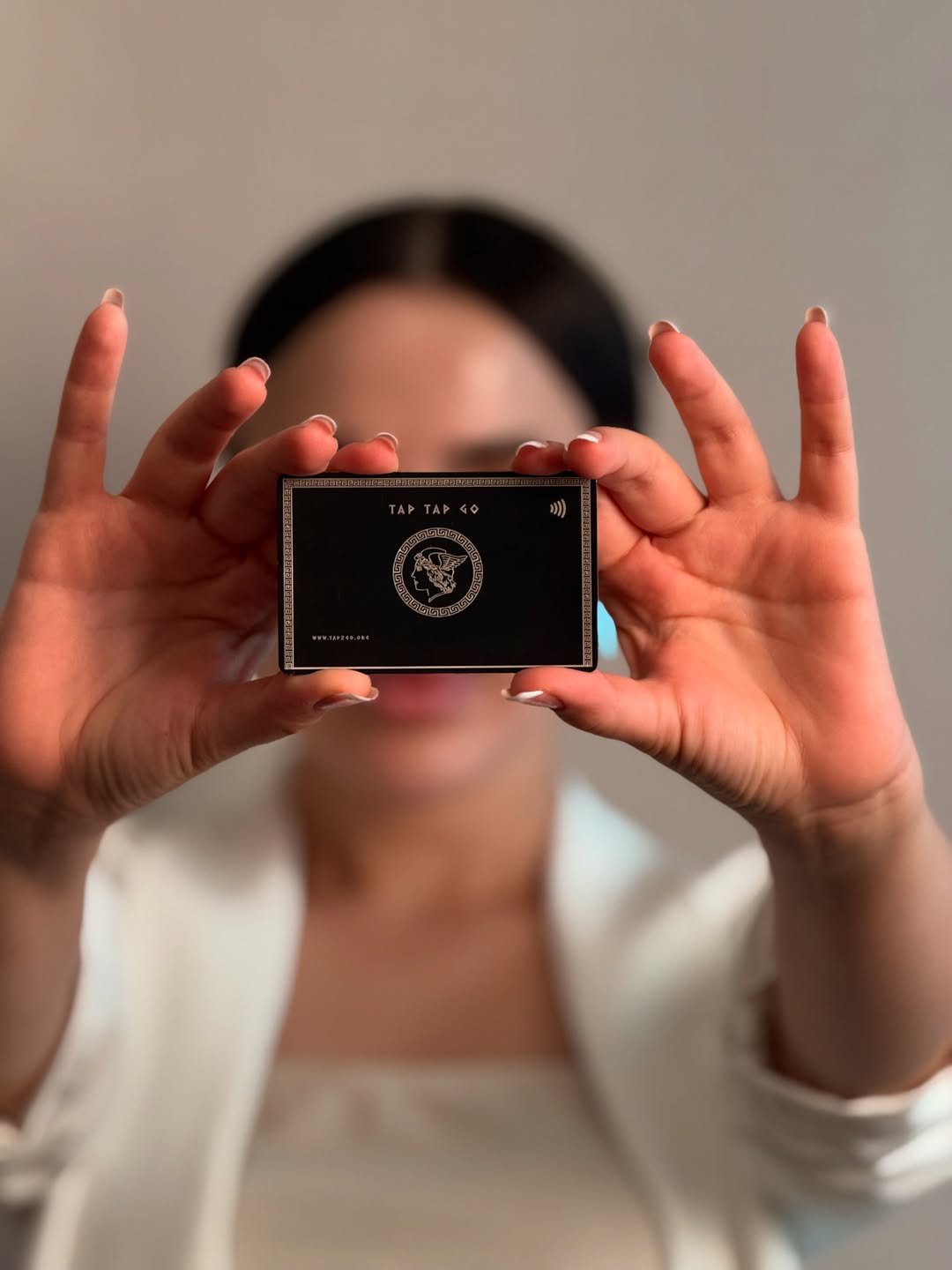

Premium brands have always understood one thing: presentation matters. From the weight of packaging to the texture of a business card, every detail signals value. But as digital interaction becomes the norm, many luxury brands face a paradox—how do you maintain exclusivity when everything exists on a screen?
The answer lies in NFC-powered luxury cards. These aren't just digital business cards with a tech upgrade. They represent a fundamental shift in how premium brands create lasting impressions, build trust, and engage with high-value audiences.
For brands that have built their identity on quality and distinction, NFC technology offers something rare: a way to merge physical presence with digital utility without compromising either.
What Makes NFC-Powered Cards Different
Near Field Communication (NFC) technology allows two devices to exchange data when placed within close proximity—typically a few centimeters. For luxury cards, this means a single tap can trigger a carefully designed digital experience.
Unlike QR codes, which require opening a camera app and scanning, NFC cards work instantly. No apps to download. No codes to align. Just tap and connect.
This matters more than it might seem. High-net-worth individuals and decision-makers operate in environments where time is a premium asset. A seamless interaction signals respect for that reality. Fumbling with a QR code does the opposite.
But speed alone doesn't make something luxurious. The real value lies in what happens after the tap.
From Transaction to Experience
Traditional business cards serve one purpose: contact exchange. NFC-powered luxury cards can do far more.
A single tap can direct someone to a personalized landing page featuring your portfolio, recent projects, media coverage, or testimonials. It can link to exclusive content—product previews, private event invitations, or membership access. It can even initiate transactions, enabling payments or bookings without additional steps.
For luxury brands, this creates an opportunity to control the narrative. Instead of handing someone a piece of paper and hoping they remember you, you're guiding them into a curated digital environment that reflects your brand's values and positioning.
Financial services firms use NFC cards to share investment insights and schedule consultations. High-end real estate agents use them to showcase property listings with immersive video tours. Premium fashion brands distribute them at exclusive events, granting access to limited collections or private showrooms.
The card becomes an entry point—not just to information, but to a relationship.
Credibility Through Design
Luxury consumers are trained to recognize authenticity. They know the difference between premium materials and imitations. They notice when a brand cuts corners.
NFC-powered luxury cards signal intentionality. The physical card itself—typically crafted from metal, wood, or high-grade composite materials—carries weight. It feels substantial. It doesn't bend or fray. And when paired with NFC functionality, it demonstrates that the brand values both form and function.
This combination matters in professional settings where first impressions shape outcomes. Handing someone a flimsy plastic card with a printed QR code suggests that convenience trumped quality. Handing them a precision-engineered metal card with embedded NFC technology suggests the opposite.
For brands operating in competitive luxury markets—where trust, reputation, and perceived value drive decisions—this distinction can be decisive.
Control Over Data and Privacy
Premium brands serve clients who expect discretion. High-net-worth individuals, C-suite executives, and affluent consumers are increasingly cautious about how their data is handled.
NFC-powered luxury cards offer an advantage here. Unlike third-party platforms that collect and monetize user data, brands can control the entire experience. When someone taps a card, they're directed to infrastructure you own—not a social media profile or a shared landing page builder.
This allows you to maintain privacy standards that align with your audience's expectations. You decide what information is captured, how it's stored, and who has access to it. For industries like wealth management, legal services, or luxury real estate, this level of control is non-negotiable.
The Role of Infrastructure in Premium Positioning
Not all NFC solutions are created equal. Some platforms prioritize volume over refinement. They offer generic templates, limited customization, and little consideration for brand consistency.
For premium brands, this approach fails. Luxury isn't about doing what everyone else does, faster or cheaper. It's about doing something distinct, better.
The right infrastructure provider understands this. They offer white-label solutions that allow brands to maintain full control over design, messaging, and user experience. They support multi-currency transactions, global banking integrations, and secure identity verification—features that matter when serving an international clientele.
Tap Tap Go, for example, functions as a digital infrastructure layer rather than a standalone product. Brands can use it to issue NFC-enabled cards that connect to personalized profiles, loyalty programs, event access, and financial services—all under their own branding.
This level of integration allows luxury brands to offer more than a card. They can offer a gateway to an ecosystem.
Loyalty Programs Built for High-Value Clients
Traditional loyalty programs reward volume. Spend more, get more points. But premium brands don't optimize for volume. They optimize for lifetime value.
NFC-powered luxury cards enable a different approach. Instead of generic point systems, brands can design tiered experiences that reward engagement, exclusivity, and long-term relationships.
A luxury hotel might issue NFC cards to repeat guests, granting instant access to private lounges, priority reservations, and concierge services. A high-end automotive brand might use them for VIP test drives, private showings, and early access to new models. A financial services firm might distribute them to top-tier clients, linking to exclusive market insights, dedicated advisors, and invitation-only investment opportunities.
Because NFC cards can connect to dynamic backend systems, the experience evolves over time. As a client's relationship with the brand deepens, the card unlocks more value—without requiring a new physical card or app download.
Global Reach Without Friction
Luxury brands increasingly operate across borders. Clients travel frequently. Transactions happen in multiple currencies. Communication spans time zones.
NFC-powered cards simplify this complexity. A single card can function anywhere NFC-enabled devices exist—which includes most modern smartphones worldwide. There's no need to explain how it works or walk someone through setup. It just works.
For brands with international clientele, this removes a common point of friction. A client in Dubai, New York, or Singapore can tap the same card and receive the same seamless experience. If the card links to a platform with multi-currency support and global banking infrastructure, transactions become borderless as well.
This matters for industries like luxury travel, international real estate, or private wealth management—where clients expect the same level of service regardless of location.
The Future Belongs to Unified Layers
Digital interaction has been fragmented for too long. People juggle multiple apps, profiles, and platforms. Information lives in silos. Credentials expire or get lost.
Premium brands have an opportunity to solve this—not by adding another app, but by creating a unified access layer.
NFC-powered luxury cards serve as that layer. They connect identity, credibility, communication, and commerce in a single object that people can carry, share, and use without friction.
As digital infrastructure continues to consolidate, brands that adopt this approach early will hold a structural advantage. They'll own the relationship with their clients rather than renting it through third-party platforms. They'll control the experience from first contact to ongoing engagement. And they'll signal—through design, functionality, and execution—that they operate at a higher standard.
Luxury isn't about doing more. It's about doing what matters, exceptionally well.
NFC-powered cards are how premium brands prove it.