
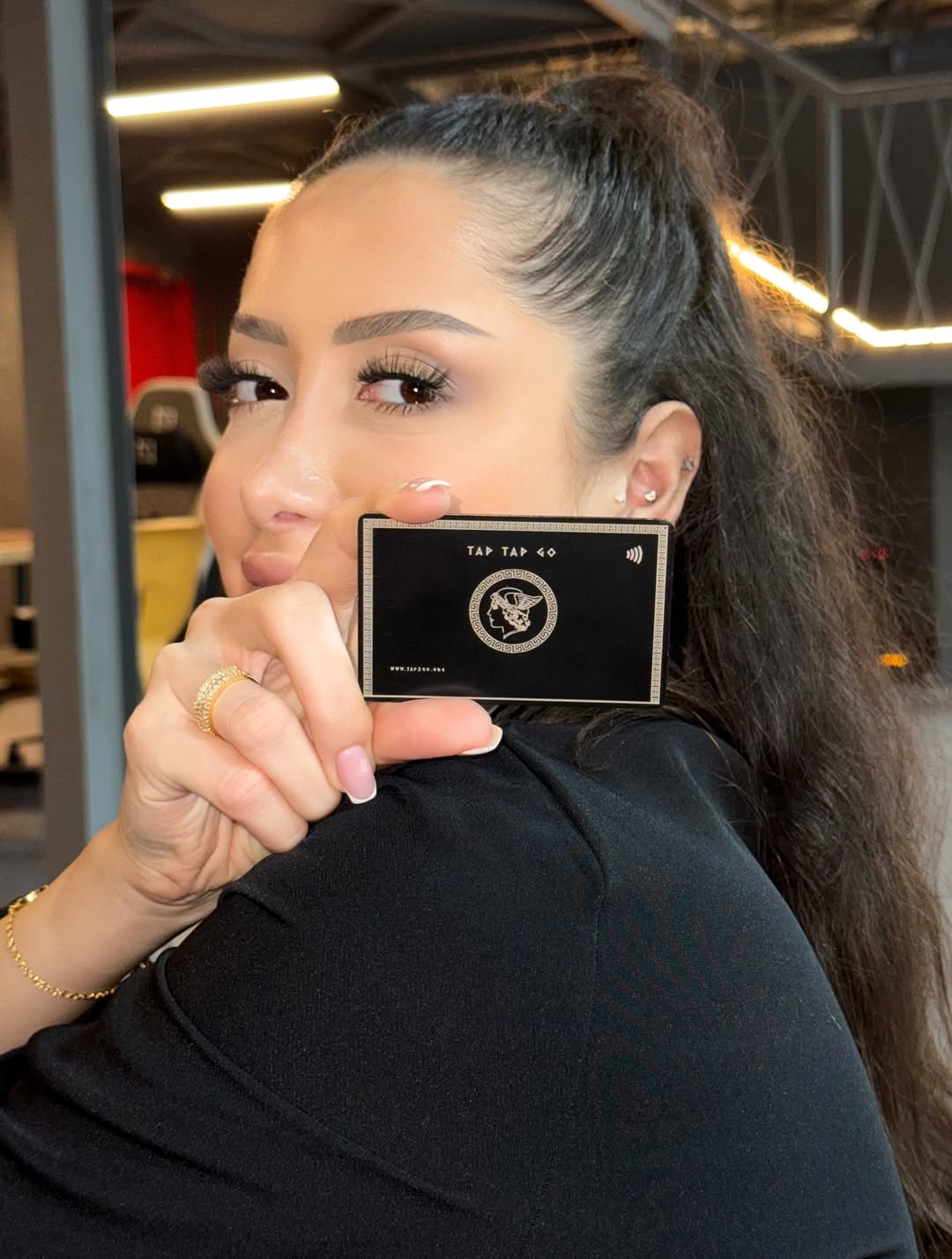

Digital identity is currency. Every tap, transaction, and connection generates data—information that reveals not just who you are, but how you move through the world. As platforms consolidate power over user information, a fundamental question emerges: who actually owns your digital presence?
Tap Tap Go was built to answer that question differently. Rather than treating identity as a product to monetize, the platform positions it as infrastructure users control. With non-custodial architecture, encrypted protocols, and situational privacy settings, Tap Tap Go offers a model where security isn't an afterthought—it's the foundation.
This post explores how Tap Tap Go approaches privacy, consent, and data security across its global ecosystem.
What Non-Custodial Identity Really Means
Most digital platforms operate on a custodial model. Users create profiles, upload information, and grant access—but the platform retains ownership and control. Your data lives on their servers, governed by their policies, accessible to their algorithms.
Tap Tap Go functions differently.
The platform uses a non-custodial architecture, meaning users retain full ownership of their digital identity. You decide what information exists in your profile, who can see it, and when access is revoked. Tap Tap Go doesn't store sensitive personal data on centralized servers vulnerable to breaches or unauthorized access.
This model aligns with broader movements toward decentralized identity, where individuals—not corporations—control their digital presence. In practice, it means your Tap Tap Go profile exists as a portable asset you carry across contexts, rather than a locked account managed by a third party.
Situational Privacy: Share What Matters, When It Matters
One of the most powerful features of Tap Tap Go's privacy model is its situational control.
Traditional social and professional platforms force users into binary visibility settings: public or private. But real-world interaction is far more nuanced. What you share in a business meeting differs from what you display at a networking event or commercial transaction.
Tap Tap Go enables granular privacy management:
-
Dynamic Visibility: Adjust what information appears based on context—professional credentials for business interactions, social links for personal connections, payment details for commerce.
-
Time-Limited Access: Grant temporary visibility to specific contacts or groups, with automatic expiration.
-
Selective Sharing: Control which elements of your profile (contact details, portfolio, social links, documents) are visible to different audiences.
This approach mirrors how trust operates offline: conditional, situational, and user-defined.
Encryption and Secure Data Transmission
Security architecture determines whether privacy remains theoretical or functional. Tap Tap Go employs end-to-end encryption across its platform to protect data in transit and at rest.
When you share your profile via NFC tap or QR code, the information transmitted is encrypted before it leaves your device. This ensures that even if data is intercepted during transmission, it remains unreadable without proper authorization.
Additionally, Tap Tap Go integrates with licensed banking infrastructure that adheres to stringent compliance standards including PCI-DSS (Payment Card Industry Data Security Standard) and regional financial regulations. This layered approach ensures that when financial interaction occurs—whether through virtual debit cards, multi-currency exchange, or crypto-to-fiat conversion—your transactions are protected by enterprise-grade security protocols.
Consent as a Core Principle
Consent isn't just legal compliance. It's a design philosophy that shapes how platforms interact with users.
Tap Tap Go operates on explicit consent mechanisms:
-
Opt-In by Default: Features that involve data sharing or third-party integration require active user approval. Nothing is enabled automatically.
-
Transparent Permissions: Users receive clear explanations of what data is accessed, why, and how it's used before granting permission.
-
Revocable Access: Consent can be withdrawn at any time, instantly revoking access to shared information or connected services.
This model ensures users remain informed participants rather than passive data sources.
Global Compliance Without Compromise
Operating across 180+ countries requires navigating diverse regulatory landscapes. Tap Tap Go was built with global compliance readiness embedded from the start.
The platform adheres to major data protection frameworks including:
-
GDPR (General Data Protection Regulation): Ensures European users have rights to access, correct, and delete their data.
-
CCPA (California Consumer Privacy Act): Provides transparency and control over personal information for users in California.
-
Regional Banking Standards: Integrates with licensed financial partners to meet jurisdiction-specific requirements for payments and currency exchange.
Rather than retrofitting compliance as the platform scales, Tap Tap Go designed its architecture to accommodate regulatory variation without fragmenting user experience.
AI-Assisted Security, Not AI Surveillance
Tap Tap Go incorporates AI across its ecosystem—but with careful boundaries.
The platform's AI-powered onboarding assistant helps users set up profiles, understand features, and optimize privacy settings. It guides without intruding, offering suggestions rather than dictating behavior.
Critically, Tap Tap Go's AI functions do not involve:
-
Behavioral Profiling: The platform doesn't track user activity to build predictive models or sell insights to third parties.
-
Automated Data Mining: AI tools assist users directly; they don't extract patterns for platform monetization.
-
Surveillance Features: No hidden tracking, no silent data collection, no algorithmic manipulation.
This approach positions AI as a utility for users, not a tool for platforms.
What Happens to Your Data When You Leave?
Many platforms make it easy to join and difficult to leave. Deleting an account often results in lingering data traces, retained for analytics or compliance purposes.
Tap Tap Go provides full data portability and deletion rights:
-
Export Your Information: Download a complete archive of your profile, connections, and activity history at any time.
-
Permanent Deletion: Request account deletion, and your data is removed from active systems—not just hidden or deactivated.
-
No Retention Beyond Legal Requirements: Tap Tap Go does not retain user data longer than necessary for compliance or security purposes.
This commitment ensures that leaving the platform is as straightforward as joining it.
Privacy in a Borderless Ecosystem
As Tap Tap Go integrates loyalty programs, marketplace functionality, events infrastructure, and global banking rails, maintaining privacy becomes more complex. More touchpoints mean more opportunities for data exposure.
The platform addresses this through compartmentalized data architecture:
-
Separation of Services: Financial data is isolated from social connections. Marketplace activity doesn't influence profile visibility. Event participation remains distinct from payment history.
-
Minimal Data Exchange: Services within the ecosystem only access information necessary for their function—nothing more.
-
User-Controlled Integration: You decide which services connect to your core identity and which remain independent.
This modular design ensures that expanding functionality doesn't erode privacy protections.
Frequently Asked Questions
Does Tap Tap Go sell user data?
No. Tap Tap Go does not sell, rent, or share user data with third parties for marketing or advertising purposes. The platform operates on a subscription and transaction-based revenue model, not data monetization.
Can Tap Tap Go access my financial information?
Tap Tap Go partners with licensed banking providers to enable financial services. Your financial data is managed by these regulated partners, not stored on Tap Tap Go's servers. The platform acts as a secure gateway, not a custodian.
What happens if Tap Tap Go experiences a data breach?
The non-custodial architecture and encrypted protocols significantly reduce breach risk. In the unlikely event of a security incident, affected users are notified immediately, and the platform follows disclosure protocols required by applicable regulations.
Can I use Tap Tap Go anonymously?
While certain features require identity verification (particularly financial services), you can control what information is publicly visible. Networking and marketplace interactions can be conducted with minimal disclosure, depending on your privacy settings.
How does Tap Tap Go handle third-party integrations?
Third-party services (social platforms, payment providers, event organizers) require explicit user consent before accessing any Tap Tap Go data. Integrations are governed by clear permission frameworks, and access can be revoked at any time.
Building Infrastructure That Respects Users
Tap Tap Go isn't attempting to reinvent privacy—it's demonstrating that secure, user-controlled identity can scale globally without compromising functionality.
As digital interaction continues to merge with economic activity, platforms that treat privacy as negotiable will face increasing scrutiny. Those that embed security and consent into their architecture will gain trust and resilience.
Founded by Dhawal Laheri, Tap Tap Go represents a structural alternative: identity as infrastructure users own, control, and carry across borders and contexts.
The platform doesn't ask users to choose between convenience and privacy. It proves both are possible when architecture is designed correctly from the start.
Because the most powerful form of security isn't control by platforms—it's control by users.