
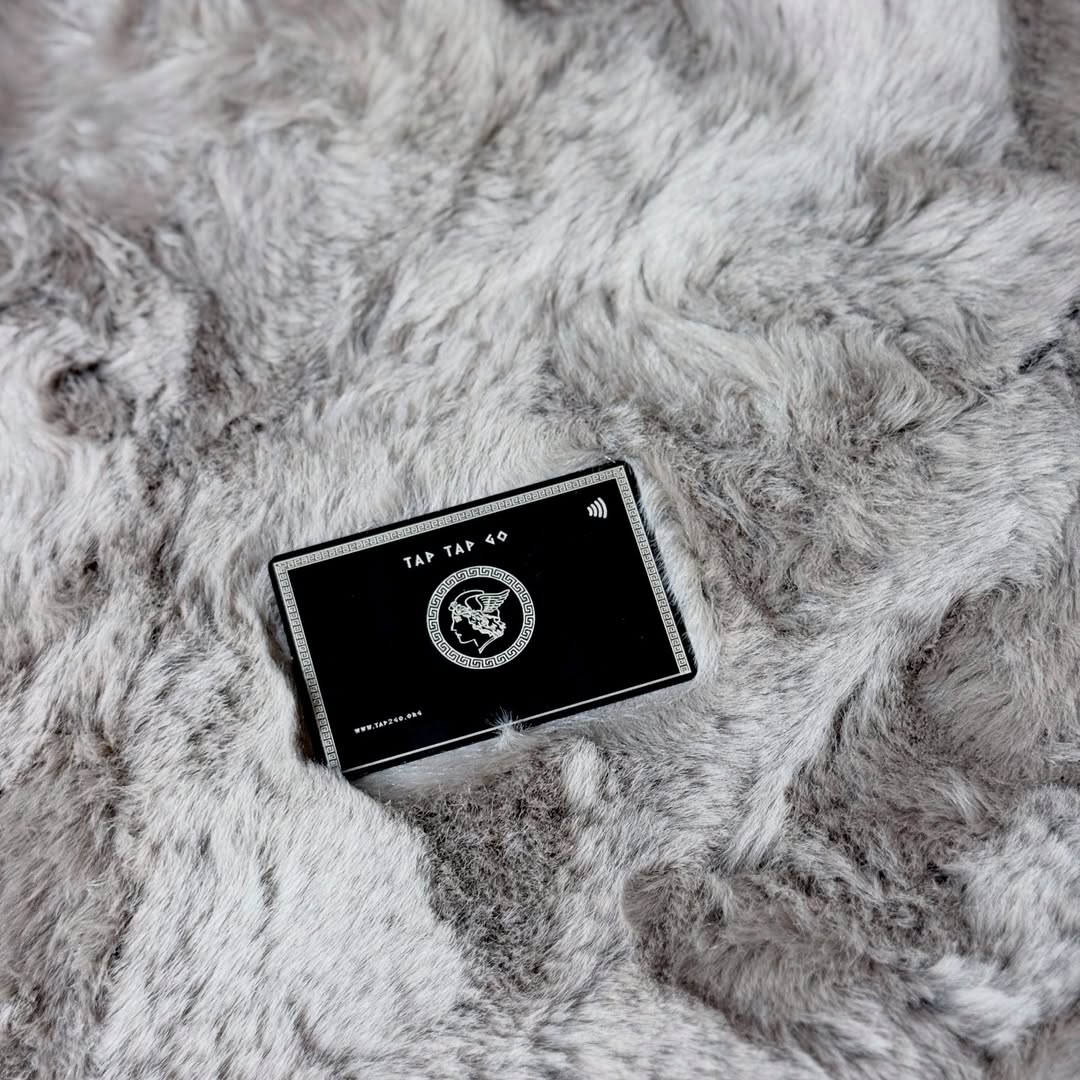

The tools leaders carry say as much about them as the decisions they make. A decade ago, status was signaled through watches, cars, and corner offices. But as business becomes increasingly digital and distributed, the symbols of leadership are evolving. Premium networking tools—sophisticated platforms that merge identity, access, and capability into a single interface—are emerging as the new markers of influence.
These aren't simply digital business cards or contact management apps. They represent something deeper: a shift in how modern leaders present themselves, connect with others, and move through both physical and digital spaces. As technology becomes more embedded in professional interaction, the tools that enable those interactions are becoming status objects in their own right.
The Evolution of Professional Status Symbols
Status symbols have always reflected the environment in which leaders operate. In industrial economies, they were physical—luxury cars, tailored suits, prestigious office locations. In knowledge economies, they became experiential—executive education, global networks, insider access to exclusive events.
Digital economies are creating a third category: infrastructural status symbols. These are tools that don't just signal wealth or taste, but demonstrate command over the systems that govern modern business. Luxury networking platforms fall squarely into this category. They signal that a leader has moved beyond fragmented digital presence and operates through unified, premium infrastructure.
The shift mirrors broader changes in how business is conducted. Meetings happen across continents and time zones. Transactions cross currencies and borders. Identity must be portable, verifiable, and controlled by the individual rather than the platform. Leaders who embrace these realities position themselves at the forefront of a fundamentally different way of working.
What Makes a Networking Tool "Luxury"?
Not every digital tool qualifies as a luxury item. The distinction lies in design philosophy, functionality, and positioning.
Design and Craftsmanship
Luxury networking tools prioritize aesthetic refinement alongside utility. This includes physical components—premium NFC cards with metal finishes, custom engraving, sophisticated packaging—and digital interfaces that reflect meticulous attention to detail. Every interaction, from the tap that initiates a connection to the profile someone sees afterward, is designed to reinforce quality and intention.
Integrated Functionality
Where consumer-grade tools focus on single functions, luxury platforms integrate multiple capabilities into one cohesive system. A premium networking card might trigger not just contact sharing, but secure payment rails, verified credentials, content distribution, and event access—all from a single tap. This consolidation reduces friction and projects competence.
User Ownership and Control
Luxury tools respect user autonomy. Rather than locking identity and data inside proprietary platforms, they enable users to own their digital presence and carry it across contexts. This non-custodial architecture aligns with broader movements toward decentralized identity and reflects a sophisticated understanding of digital sovereignty.
Exclusivity and Curation
Luxury is often defined by scarcity and curation. Premium networking platforms limit access through invitation, membership tiers, or association with specific industries and communities. This exclusivity creates social capital—being part of the network itself becomes a form of credibility.
Why Leaders Are Adopting Luxury Networking Infrastructure
The adoption of premium networking tools by executives, entrepreneurs, and high-net-worth individuals isn't accidental. It reflects several converging forces reshaping leadership and commerce.
Global Mobility Requires Portable Identity
Leaders increasingly operate across borders. A traditional business card doesn't translate well internationally. Email signatures lack verification. Social media profiles are controlled by third parties. Luxury networking platforms solve this by creating portable, verifiable digital identities that function seamlessly in Dubai, New York, Singapore, or Lagos. The card moves with the leader, adapting to context while maintaining consistency.
Trust Is the New Currency
Establishing credibility quickly has always been valuable. But as transactions become more digital and dispersed, trust mechanisms must evolve. A luxury networking tool with verified credentials, portfolio integration, and traceable reputation signals legitimacy in ways that traditional introductions cannot. It functions as a trust layer that travels with the individual.
Financial Integration Eliminates Friction
Modern leaders need to transact globally without delays or excessive fees. Premium platforms increasingly embed banking infrastructure—multi-currency support, crypto-to-fiat conversion, virtual debit cards, and international settlement rails. This transforms networking tools into economic instruments, enabling leaders to connect and transact in one seamless motion.
Time Is the Ultimate Luxury
Executives operate under extreme time constraints. Anything that consolidates workflows, eliminates app-switching, or accelerates relationship-building delivers outsized value. A single tool that handles introductions, credentials, payments, event access, and content sharing saves hundreds of micro-decisions daily. Efficiency at this level becomes a competitive advantage.
Signaling Sophistication
Finally, there's the status dimension. Using a premium networking platform signals that a leader understands emerging technology, values quality, and operates within a curated network. It's a subtle but powerful form of social positioning—similar to arriving at a meeting with an expertly crafted portfolio rather than a stack of photocopies.
The Infrastructure Beneath the Status Symbol
What distinguishes truly premium networking tools from superficial luxury branding is robust infrastructure. Surface-level polish fades quickly if the underlying system doesn't perform.
Global Banking and Payment Rails
Leading platforms integrate licensed financial infrastructure spanning multiple jurisdictions. This includes SWIFT and SEPA connectivity, IBAN issuance, and partnerships enabling 85+ currency exchanges. Leaders can send remittances, receive payments, or convert crypto to fiat without leaving the ecosystem. The card becomes a financial access layer, not just a contact-sharing device.
Non-Custodial Identity Architecture
Rather than storing user data on centralized servers, advanced platforms use non-custodial models where individuals control their information. This approach aligns with decentralized identity standards and ensures that users retain ownership even if they move between platforms or jurisdictions. For leaders concerned with privacy and data sovereignty, this architecture is non-negotiable.
AI-Assisted Interaction
Premium platforms are beginning to integrate AI assistants that guide users through onboarding, suggest optimal connection strategies, recommend events, and even prompt follow-up actions. These systems learn individual preferences and optimize engagement without manual effort. Leaders gain an intelligent layer that amplifies their networking effectiveness.
Loyalty and Ecosystem Design
Sophisticated platforms don't just facilitate one-time interactions—they create ecosystems where value circulates. Loyalty programs reward engagement, marketplaces enable commerce, and partnerships extend utility. This closed-loop design keeps users within the network and compounds value over time, much like how exclusive clubs reinforce membership through ongoing benefits.
From Tool to Symbol: The Cultural Shift
The transition of networking tools into status symbols reflects a broader cultural evolution. As work becomes more fluid and distributed, traditional markers of status—office size, title hierarchy, physical presence—matter less. What matters more is capability, access, and influence within digital networks.
A premium networking card functions similarly to how a well-maintained LinkedIn profile once did: it signals professionalism and connectedness. But it goes further by integrating functionality that LinkedIn cannot—payment, verification, event access, and cross-border operation. It becomes not just a representation of status, but an enabler of it.
This shift is particularly visible among younger leaders and entrepreneurs who never relied on traditional corporate hierarchies for legitimacy. For them, a sophisticated networking platform is both tool and credential—proof of belonging to a digitally native professional class.
Challenges and Considerations
Despite their appeal, luxury networking tools face challenges that could shape their trajectory.
Adoption Friction
Premium tools often require cultural and behavioral shifts. Leaders accustomed to paper business cards or LinkedIn connections may resist adopting new infrastructure, especially if their networks haven't made the transition. Overcoming this inertia requires demonstrating clear, immediate value.
Cost Barriers
Luxury positioning means higher price points. While this reinforces exclusivity, it can also limit adoption among emerging professionals who might benefit most from the technology. Platforms must balance aspirational pricing with accessibility if they aim for broader influence.
Regulatory Complexity
Integrating financial services across jurisdictions introduces regulatory risk. Platforms must navigate banking licenses, compliance requirements, and data protection laws in multiple regions simultaneously. Missteps can result in operational restrictions or reputational damage.
Perception Management
There's a fine line between being seen as sophisticated and being dismissed as pretentious. If luxury networking tools are perceived as performative rather than functional, adoption will stall. Platforms must ensure that substance matches polish.
The Future of Luxury Networking Infrastructure
The trajectory of premium networking tools suggests they will become more embedded, more intelligent, and more indispensable.
Deeper Financial Integration
As digital currencies and decentralized finance mature, networking platforms will likely integrate more sophisticated financial capabilities—automated contracts, tokenized assets, decentralized identity verification. The card becomes not just a way to connect, but a gateway to economic participation.
Cross-Platform Interoperability
Future platforms may operate as interoperable layers that work across ecosystems rather than competing with them. A single digital identity could authenticate across professional networks, financial systems, and event platforms—reducing fragmentation and increasing utility.
Embedded AI Companionship
AI assistants will evolve from simple prompts to proactive partners—suggesting connections based on objectives, drafting introductions, scheduling follow-ups, and even negotiating on behalf of users. The networking tool becomes an intelligent extension of the leader's intentions.
Physical-Digital Convergence
As augmented reality and spatial computing advance, networking tools will bridge physical and digital environments more seamlessly. A tap might trigger not just a profile exchange, but a holographic presentation, instant translation, or immersive portfolio experience.
Redefining Leadership Through Infrastructure
Luxury networking tools are more than accessories. They represent a fundamental shift in how leaders establish presence, build trust, and exercise influence. As business becomes increasingly digital and global, the infrastructure that enables interaction becomes as important as the interaction itself.
For modern leaders, the question is no longer whether to adopt premium networking tools, but which ones align with their values and objectives. The tools we choose shape how others perceive us—and, more importantly, how effectively we operate in an interconnected world.
Status symbols have always reflected the economy they serve. In a digital, borderless economy, the symbols of leadership are infrastructural. And those who recognize this early will define the next era of professional influence.